By Mallory Merda / APSE Diversity Fellows
Looking for that next opportunity? Trying to navigate through the rocky terrain that is sports journalism?
That was the reality for some in attendance at the “Career Development: Navigating rough seas” panel discussion Saturday during the APSE Summer Conference in Charlotte, N.C.
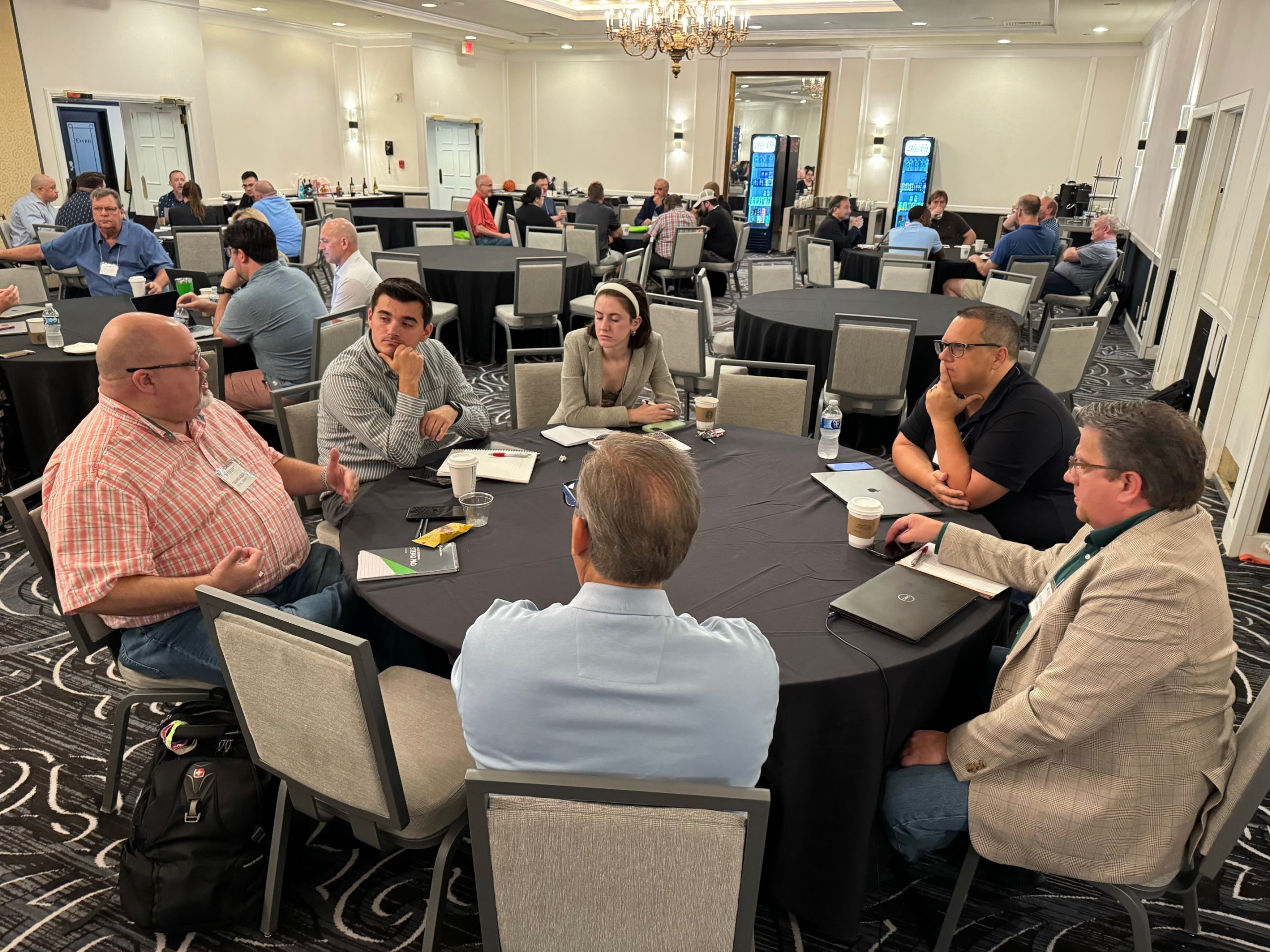
The “panel” consisted of those seated around the room, a different format from the other sessions during the three-day conference. Lisa Wilson, editorial director for culture, opinion and talent development at The Athletic and APSE Foundation executive director, moderated the discussion.
Attendees were asked to move around the room, get to know each other and answer questions about where they are in their career, what they’ve done and if they are looking for something new. I sat at a table with Dan Spears, high school sports content editor at Gannett and APSE first vice president; Jim Pignatiello, deputy editor at MassLive.com; Naila-Jean Meyers, assistant sports editor at the Star Tribune in Minneapolis and APSE president; Nate Head, editor for the Lincoln Journal Star; Craig Brown, department coordinator at Morehouse College; and Zach Cavanagh, former sports editor at Picket Fence Media.
Losing a job and trying to get yourself back into sports journalism is sometimes the hardest part. Cavanagh and I were the ones experiencing that. Cavanagh was laid off in May.
“It was kind of hard to start my days [after my layoff],” he said. “It was hard being home by myself and not in a newsroom talking to people. I feel like every time I come [to APSE], I’m more focused than ever.”
The conversation came up about how hard it sometimes is to go from a small publication, where it’s almost like you’re by yourself, to something bigger. I went from a small publication (The Carlisle Sentinel) to a larger one (USA TODAY).
“The thing I found to be the hardest roadblock … I exhausted myself there probably three years in,” Cavanagh said. “How do you break through the system of 2,000 people applied for this job and you never hear a reply back? I don’t know what to think of that. Do they even see it, what am I doing? On step is getting the interview, and then Step 2, getting the interview experience to build off of.”
But there was a key bit of advice for that.
“Use this body,” Pignatiello said, motioning a hand to the room. “If you’re interviewing with someone currently, ask someone else what they know about it, ask about insight.”
After delving into our careers and giving advice, Wilson began walking around the room and giving each table one question to answer. Our question was “How do you deliver critical feedback?”
“Make sure not all of the feedback is critical,” Pignatiello said. “Make sure you are looking at things that they’re doing a good job at. You have to be clear and direct, though … and address it if they disagree.”
“Give a next step,” Meyers added. “The only way you know they heard you is they have an action plan. You can lose momentum on something like this if you don’t have some vehicle to fix it now.”
One key takeaway from our table discussion was about avoiding miscommunication to effectively make someone better through that feedback.
“Coming from a military background, it was blunt [feedback] I was giving,” Brown said. “You had to get to know the students first to see how they take feedback. You have to understand how they respond, find out what communication works best, and that communication is key.”
People at each table shared tips on their prompts with the rest of the room. Spears was our table leader and communicated what we discussed.
“We started as a manager perspective and find what that feedback is and effectively communicating that,” Spears said. “Understand what the problem is. Both sides have to understand what the problem is. There might be a disagreement on what that problem is, but that’s OK. You can’t just say, ‘Fix it.’ You have to provide examples and explain.
“The last thing was put it in writing. Make sure it’s understood when they walk out the door. Receiving critical feedback can also be a motivating factor. Use it as a way to make yourself better, even if they don’t always see it.”
Another table’s prompt was “Work-life balance,” something that has become more important in newsrooms.
“You kind of learn the craft of napping here and there,” Wilton Jackson, an APSE Diversity Fellow, said, eliciting laughs from the room. “Believe it or not, it’s not always about the physical. It’s about the mental. We have things on our schedule that we need to get done right now. But sometimes we have to wait and use that time wisely.”
The floor was then opened for questions. One question that stood out was asking about what editors are looking for when sifting through potential candidates.
“Sometimes it’s not even about the resume,” Meyers said. “Sometimes your clips speak louder than that resume.”
“If you can’t find out who is the head of hiring a position, that says something about your research ability – something you need as a journalist,” Meredith Perri, sports managing producer at MassLive.com, said. “Even if there is a hiring manager, don’t be afraid to reach out to me personally about a position.”
And sometimes it’s about the simplest of things.
“Answer all those [pre-interview] questions to the best of your ability and attach everything that you need,” Meyers added.
As the conversation around the table discussions and questions died down, Tyler Dunne, who runs the “Go Long” substack, left some parting words for the room.
“Sometimes we want to hit pause on life,” he said. “We can be all doom and gloom … but I’m always encouraged. If you build it they will come. If anybody’s nervous or stressed out about where this business is going, come talk. I want people to enjoy sports writing.”